
Peptide Portfolio
CJC-1295/Ipamorelin
BPC-157/TB-500
GHK-Cu
GROWTH & REPAIR, IMMUNE & INFLAMMATORY, HAIR & AESTHETICS

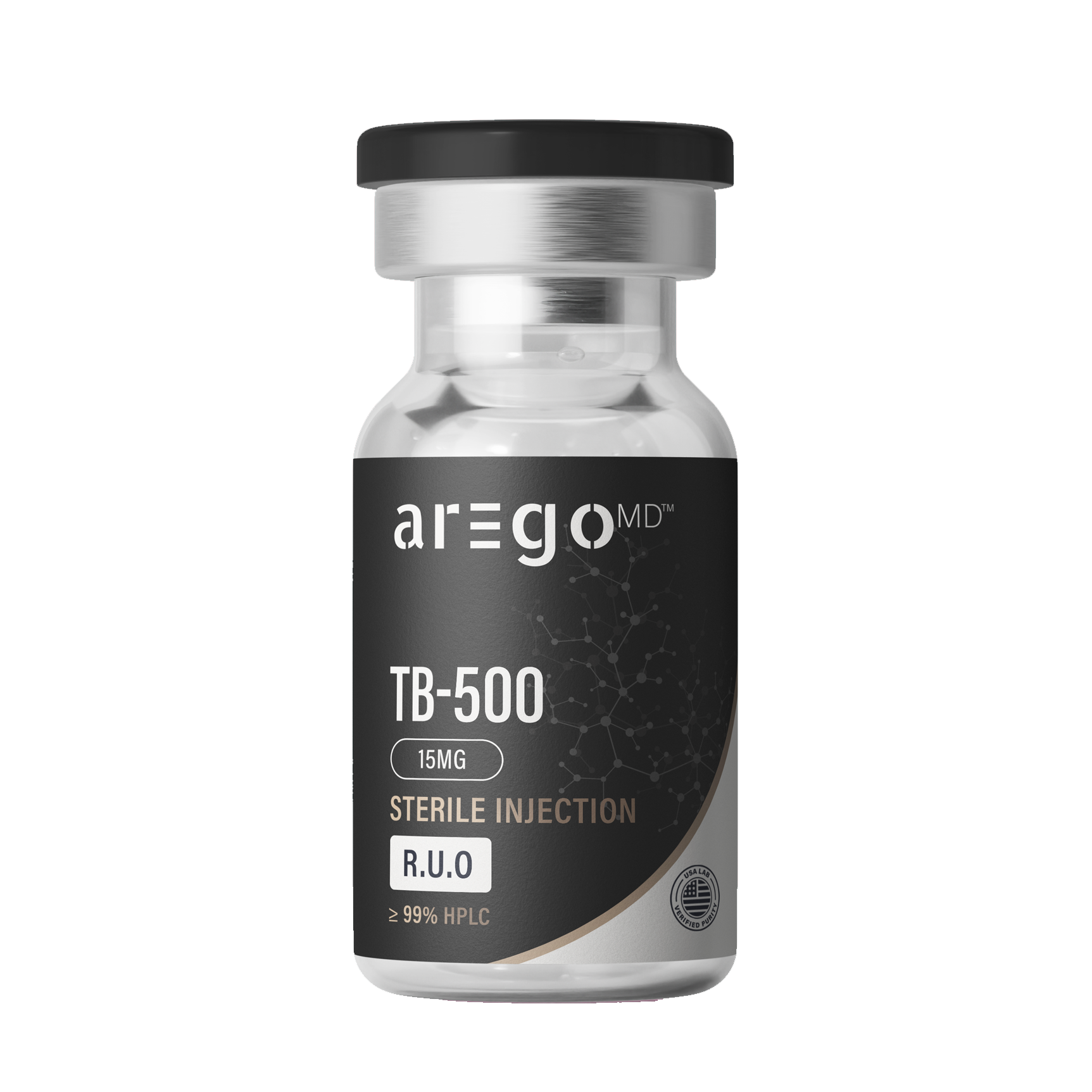
TB-500

Thymosin Beta 4 (TB500) is a synthetic version of a naturally occurring peptide present in nearly all human cells. It plays a vital role in cellular regeneration, wound healing, inflammation modulation, and tissue repair. TB500 is widely used in functional medicine, sports recovery, and post-surgical healing protocols due to its ability to promote rapid recovery and reduce scar tissue formation.

$199.00 / month

Shipping and Medical Professional oversight included for orders. 

MOLECULAR FORMULA:

C212H350N56O78S

Quantity Discounts Available

attention_blue.png

AregoRX™ may reference research peptides and investigational wellness protocols for educational and informational purposes. Research peptides are intended for laboratory research use only and are not approved to diagnose, treat, cure, or prevent disease. Any medical care or prescriptions are provided solely by licensed healthcare providers following appropriate evaluation.

TB-500

Thymosin Beta 4 (TB500) is a synthetic version of a naturally occurring present in nearly all human cells. It plays a vital role in cellular regeneration, wound healing, inflammation modulation, and tissue repair.

Chemical Information

CAS Number
77591-33-4

PubChem CID
16132315

Molecular Weight
4963.5 g/mol

Molecular Formula
C212H350N56O78S

Synonyms
TB-500
Thymosin Beta-4 Fragment
Tβ4 (Synthetic Fragment)

Purity
≥ 99% (HPLC)


Storage

Temperature
Store in lyophilized form at -20°C to maintain compound stability.
No Sunlight
Store protected from direct light exposure to reduce degradation.
No Moisture
Keep totally dry and avoid moisture exposure prior to reconstitution.
Vial
Keep vial tightly sealed when not in use to preserve integrity.

Research Applications

This material may be utilized in laboratory studies involving:

  • Actin-binding protein interactions

  • Cytoskeletal structure analysis

  • Cellular migration signaling pathways

  • Angiogenesis-related pathway research

  • Extracellular matrix signaling studies

All research must be conducted in accordance with applicable institutional and regulatory guidelines.


YOUR CART
  • No products in the cart.

GLP Experience

Help us personalize your experience

Have you used GLP products before?